
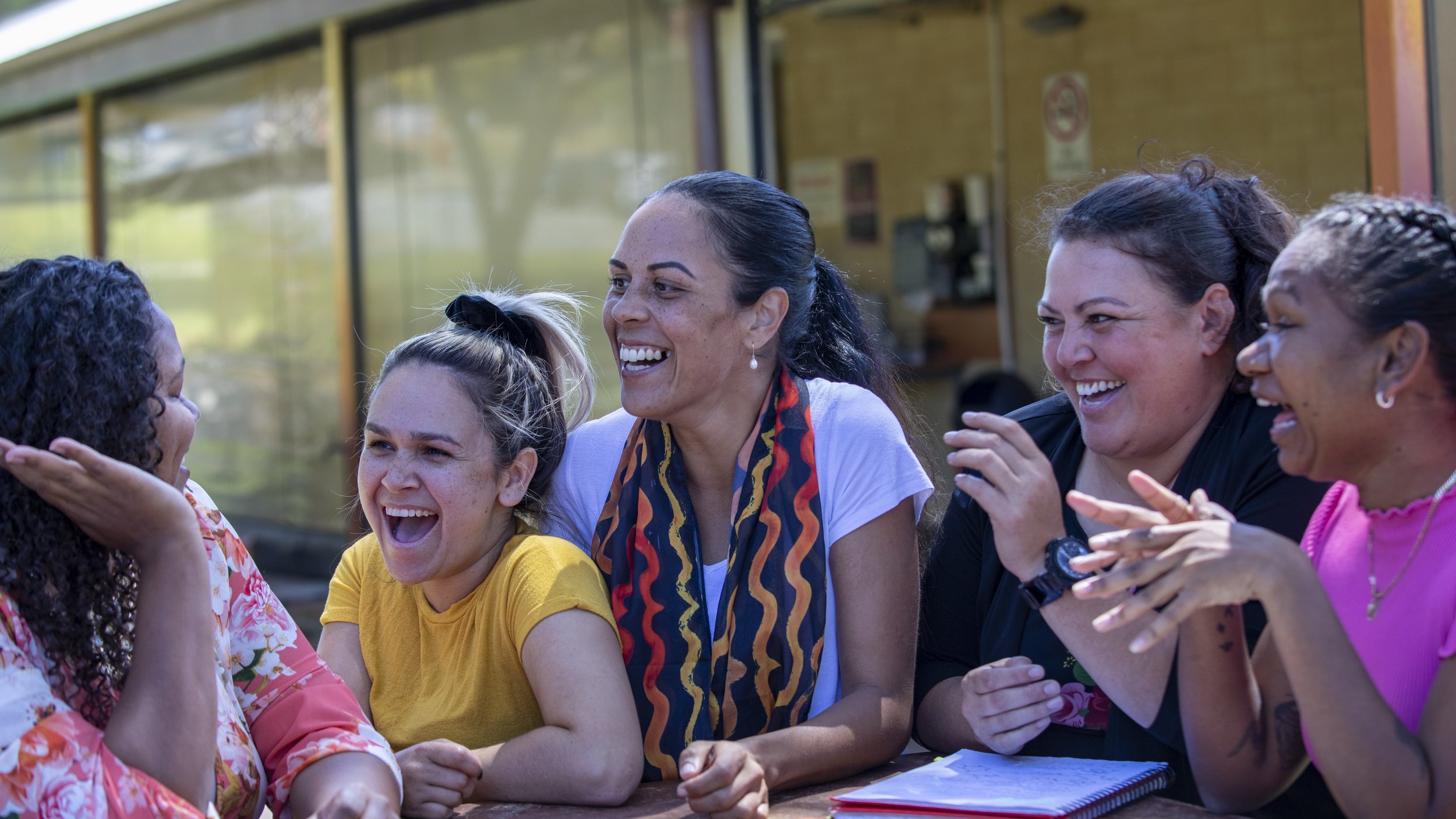
We help organisations understand what matters to communities, service users, clinicians, workforce and stakeholders — and translate those insights into better decisions, stronger services and more effective reform.
Our work combines evaluation, engagement and co-design to provide a deeper understanding of how services are experienced, where barriers exist and what changes are likely to make the greatest difference. We work with communities, clinicians, workforce groups, service providers, governments and system partners to ensure policy, funding and service decisions are informed by evidence, lived experience and practical realities.
We have particular expertise working with Aboriginal and Torres Strait Islander communities, regional and rural communities, vulnerable populations, clinicians, workforce groups and people who are often underrepresented in decision-making processes. Our approach balances community voice, workforce experience, service realities and system considerations to support decisions that are practical, achievable and responsive to local context.
Our work informs:
Policy and reform initiatives
Service and system design
Regional and statewide strategies
Evaluation and continuous improvement
Advocacy, funding and investment decisions
Our services include:
-
Independent evaluation of programs, services and reforms, including program logic development, outcomes measurement, process evaluation and impact assessment. We provide practical recommendations to support continuous improvement, accountability and future investment decisions.
-
Interviews, workshops, surveys and consultation processes with communities, service users, clinicians, workforce, service providers, boards, funders and government. Our team has more than 20 years’ experience in consultation, social research and engagement across health, aged care, community services and government.
-
Working alongside service users, clinicians, workforce, stakeholders and communities to shape service models, strategies, policies and reform pathways that are practical, evidence-based and informed by lived experience.
-
Capturing lived experience, barriers to access, service experiences and community priorities to inform planning, policy development, service design and reform.
-
Identifying service gaps, population needs, priorities and opportunities to inform commissioning, investment, planning and decision-making.
-
Designing culturally responsive and place-based engagement approaches that reflect local context, community priorities, relationships and lived realities across urban, regional and remote communities.